From EFCC to Kuje, DSS Custody, and Political Ambitions: The Turbulent Journey of Abubakar Malami in 2026
Malami's legal troubles coincide with his declared intention to run for Kebbi governor in 2027 on the ADC platform. Supporters view the probes as attempts to weaken him politically.
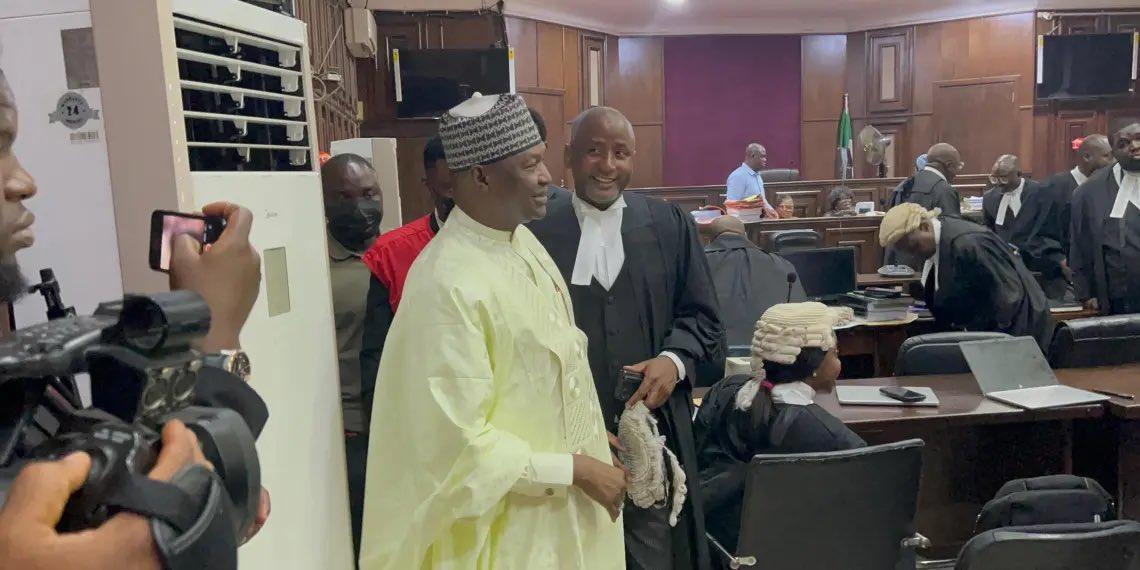
From EFCC to Kuje, DSS Custody, and Political Ambitions: The Turbulent Journey of Abubakar Malami in 2026
Abuja/Birnin Kebbi, Nigeria - January 22, 2026 - Abubakar Malami, SAN, the former Attorney-General of the Federation and Minister of Justice under President Muhammadu Buhari, has found himself at the center of one of Nigeria's most high-profile legal and political sagas in recent memory. What began as an Economic and Financial Crimes Commission (EFCC) investigation into alleged money laundering has spiraled into a sequence of detentions, rearrests, and fierce denials, taking him from EFCC custody to Kuje Correctional Centre, then to the Department of State Services (DSS), and fueling speculation about future probes involving the Independent National Electoral Commission (INEC) as he eyes the 2027 Kebbi State governorship.
Malami, 58, a Senior Advocate of Nigeria (SAN) and prominent Fulani leader from Birnin Kebbi, served as AGF from 2015 to 2023. Known for his assertive legal style and loyalty to Buhari, he was once a powerful figure in Nigeria's justice system. Today, he stands accused in multiple probes, with his supporters framing the developments as political persecution aimed at derailing his governorship bid under the African Democratic Congress (ADC).
The EFCC Money Laundering Case: The Starting Point
The chain of events traces back to late 2025, when the EFCC filed a 16-count charge against Malami, his wife Asabe, and son Abubakar Abdulaziz Malami for allegedly laundering N8.7 billion. Prosecutors claimed the family conspired to conceal proceeds of unlawful activities through corporate entities, bank accounts, and high-value real estate in Abuja and elsewhere. The EFCC alleged illicit acquisition of properties worth over N212 billion during Malami's tenure.
On December 30, 2025, Malami and his family pleaded not guilty at the Federal High Court in Abuja. After initial administrative bail was revoked, he was remanded at Kuje Correctional Centre. His son reportedly collapsed during proceedings and received medical attention at the facility.
A turning point came on January 7, 2026, when Justice Emeka Nwite granted bail of N500 million each to Malami, his wife, and son, with two sureties. Malami reportedly met conditions and prepared for release.
Arms Discovery Allegations and DSS Rearrest
Moments after exiting Kuje on January 19, 2026, DSS operatives rearrested Malami outside the facility. Security sources linked the move to a fresh probe into alleged arms and ammunition discovered at his Birnin Kebbi residence during an EFCC search in December 2025. The EFCC reportedly handed the items to DSS for security review, as arms possession falls outside its core mandate.
Reports from Premium Times, Punch, BusinessDay, and The Nation described the arms cache as part of broader allegations including terrorism financing. DSS sought court approval to extend detention for deeper investigation. Sources indicated Malami would face questioning on suspicious transactions from his AGF days, alongside the arms claims.
Malami's office issued a strong denial on January 21, 2026. In a statement signed by Special Assistant on Media Mohammed Bello Doka, the former AGF rejected the arms discovery as "false, unsubstantiated and unsupported by any official record, judicial document or lawful disclosure." No formal communication about such a find reached his family or lawyers, the statement said.
It also dismissed terrorism financing links as "speculative and irresponsible," lacking "a single individual, organisation, transaction, date or piece of verifiable evidence." Malami accused sections of the media of "trial by headlines" and violating presumption of innocence under the Constitution. He raised concerns over denied access to family and legal team since DSS custody began, calling it a breach of rights and highlighting "political undertones" tied to his 2027 governorship ambition.
Political Context: 2027 Kebbi Governorship Bid
Malami's legal troubles coincide with his declared intention to run for Kebbi governor in 2027 on the ADC platform. Supporters view the probes as attempts to weaken him politically. Posts on X (formerly Twitter) from ADC Vanguard and others hailed him as a resilient force, with one stating: "Every attempt to silence Abubakar Malami has amplified his support in Kebbi."
Critics, however, point to his tenure's controversies, including perceived overreach in legal matters. His shift from APC to ADC signals a strategic pivot in northern politics.
Social media reflects polarized views. Some users predict his path "From EFCC to Kuje, from Kuje to DSS, from DSS to INEC, and from INEC to Government House as Kebbi Governor." Others demand accountability for alleged arms and financial impropriety.
Broader Implications for Nigerian Politics and Rule of Law
Malami's case highlights tensions between anti-corruption efforts and perceptions of selective justice. Under President Bola Tinubu, probes into Buhari-era officials have intensified, drawing comparisons to cases like former CBN Governor Godwin Emefiele.
The sequence - EFCC arrest, Kuje remand, bail grant, DSS rearrest - raises questions about coordination among agencies and due process. Malami's denial and media trial accusations echo defenses in high-profile cases.
As investigations continue, Malami remains in DSS custody, with no confirmed INEC involvement yet, though speculation persists about electoral implications if charges escalate. His supporters rally for release and fair hearing, while critics insist on thorough probes.
Abubakar Malami's journey from AGF powerhouse to detainee underscores Nigeria's complex interplay of law, politics, and power. Whether he emerges to contest 2027 or faces prolonged legal battles will shape Kebbi and national narratives in the coming years.

Related
Power Set to Return to Kebbi by Weekend as KEDCO Confirms Progress on Damaged Transmission Line
More abubakarmalami
See All →Kebbi Residents and Businesses Count Heavy Losses as Prolonged Blackout Enters Second Week
Residents and business owners across Birnin Kebbi and surrounding areas continue to suffer mounting losses as the power outage caused by the collapse of a major transmission tower on the Kainji to Birnin Kebbi line stretches into its second week with no firm restoration date yet confirmed.
Also in abubakarmalami
Power Set to Return to Kebbi by Weekend as KEDCO Confirms Progress on Damaged Transmission Line
Residents of Kebbi State have received fresh assurance that full electricity supply will be restored by the weekend after weeks of disruption caused by the collapse of three major transmission towers on the Kainji to Birnin Kebbi line.
By Kebbi Daily News • 2d ago

Kebbi’s Unending Nightmare: When Will Banditry, Lakurawa Attacks and Kidnappings End?
From the killing of 10 police officers in a fierce Sakaba clash to the ransom release of a High Court judge and months-long school closures, Kebbi residents ask a painful question as insecurity refuses to relent.
By Kebbi Daily News • Sep 2